Women's Health
Reclaim Your Comfort, Strength, and Confidence at Every Stage of Life.
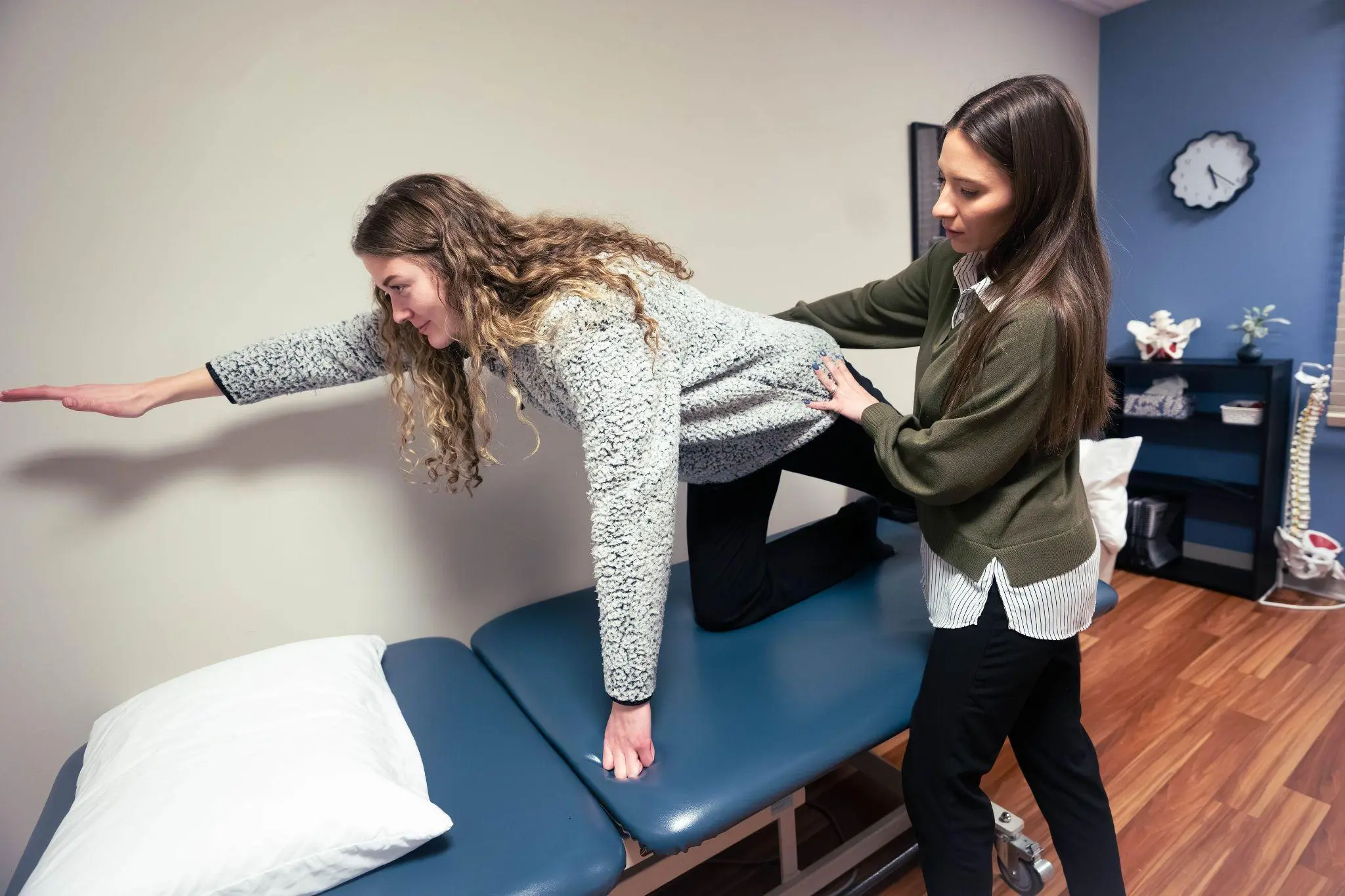
Pelvic floor dysfunction, pain, and bladder leaks are extremely common, but they should never be considered "just something you have to live with." Whether you are navigating pregnancy, recovering postpartum, managing pelvic pain, or going through menopause, your body deserves specialized, attentive care.
At Core Plus Pelvic Therapy, we provide a compassionate, private environment to help you understand your body, identify the root cause of your symptoms, and rebuild your core and pelvic strength. Our specialized, hands-on therapy is tailored to help you live without pain, worry, or hesitation
Women's Symptoms & Treatments
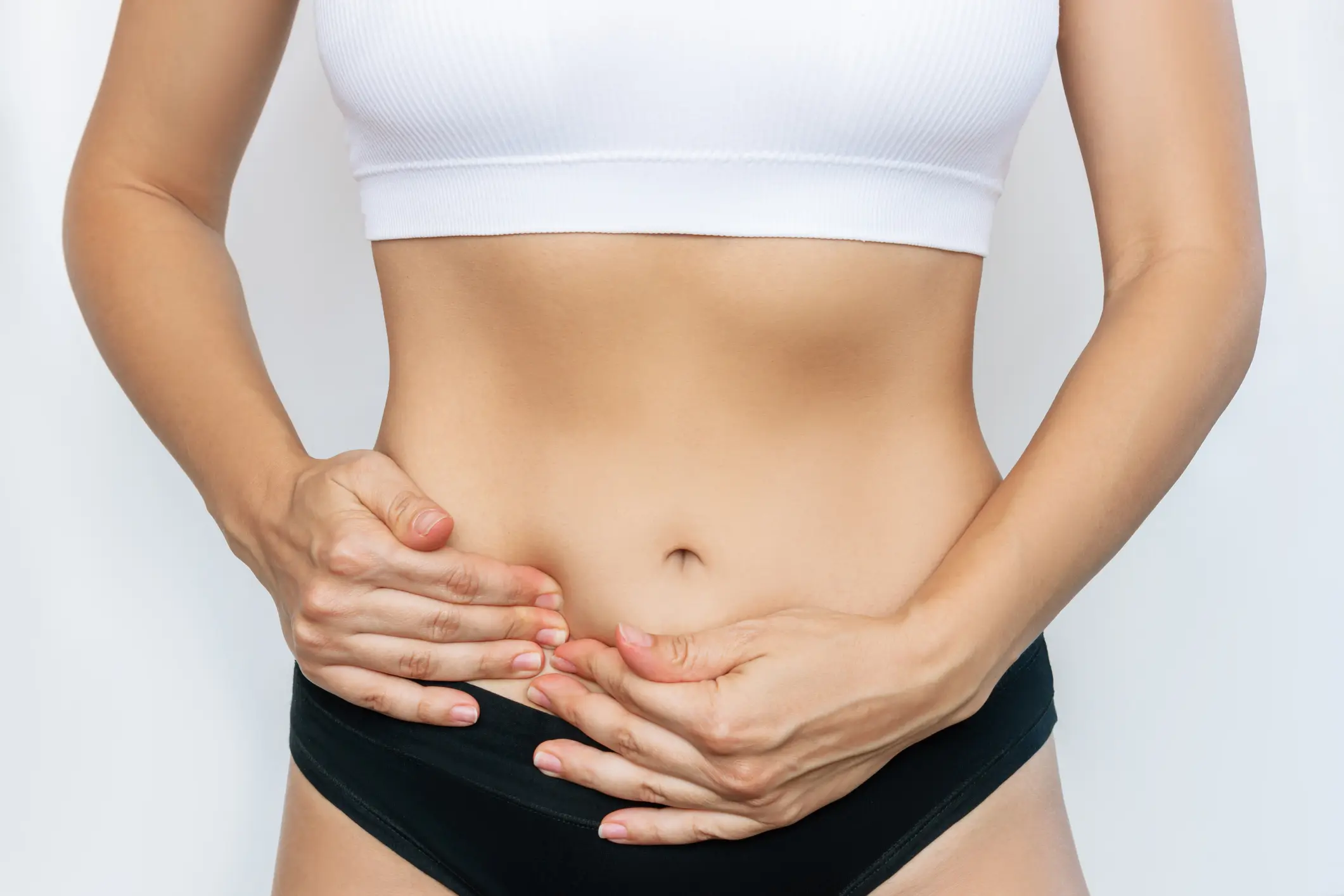
Urinary & Bowel Symptoms
- Urinary Incontinence & Leakage: Stress or urge incontinence and difficulty with bladder control.
- Urgency & Frequency: Feeling a sudden, frequent, or overwhelming urge to urinate.
- Painful Urination: Discomfort, burning, or pain during urination (dysuria).
- Incomplete Bladder Emptying: Feeling as though your bladder hasn't fully emptied after using the restroom.
- Constipation & Bowel Dysfunction: Straining, painful bowel movements, or difficulty managing bowel movements.
- Fecal Incontinence: Accidental bowel leakage or difficulty controlling gas.
Pain & Discomfort
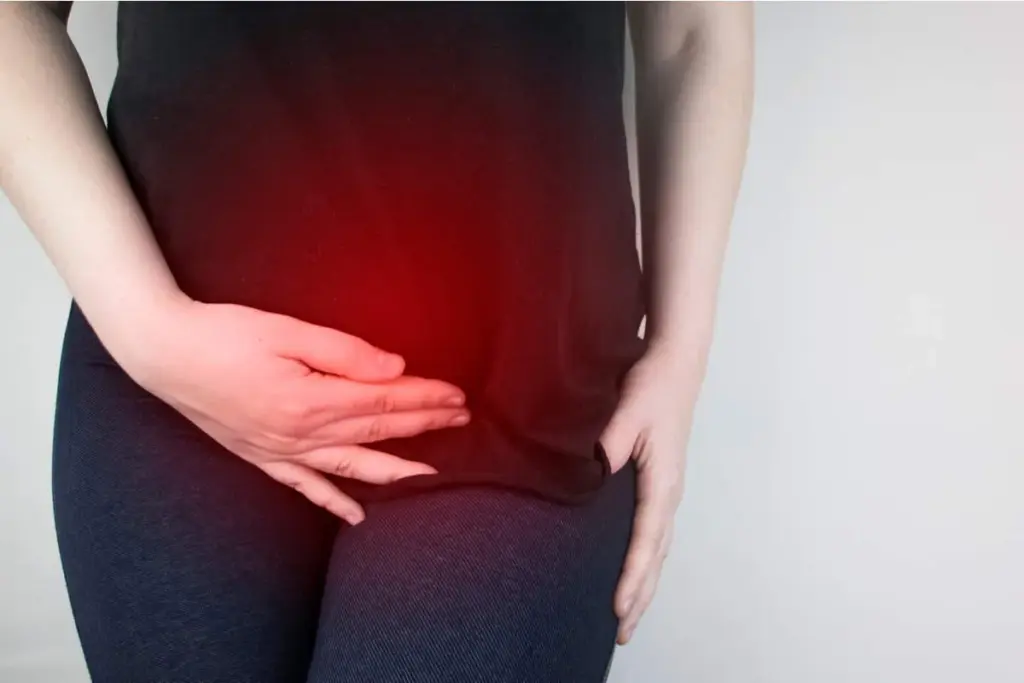
- Pelvic & Abdominal Pain: General pelvic pain, lower abdominal pressure, or chronic pelvic discomfort.
- Painful Intercourse (Dyspareunia): Discomfort, tightness, or sharp pain during or after intimacy.
- Vulvodynia & Vaginismus: Chronic vulvar pain, burning, involuntary muscle tightness, or discomfort with tampons/exams.
- Pudendal Neuralgia: Burning, numbness, or nerve-related pain in the pelvic region.
- Tailbone & Back Pain: Coccydynia, hip stiffness, or pregnancy-related lower back pain.
- Pelvic Muscle Spasms: Involuntary contractions or aching tightness in the pelvic floor muscles.
Other Conditions We Treat
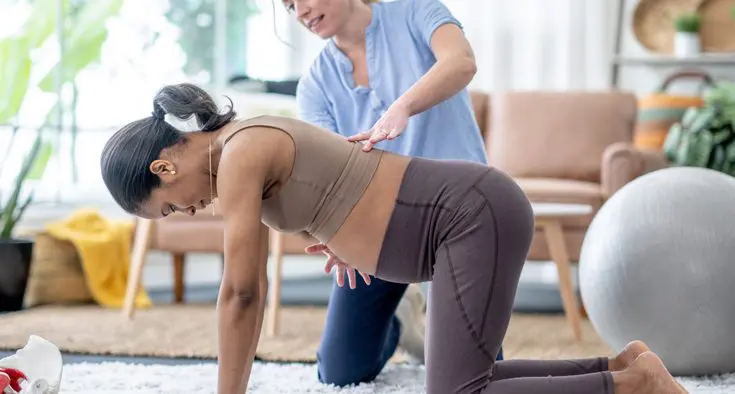
Pregnancy & Postpartum : Diastasis recti (abdominal separation), birth prep, pubic symphysis pain, and scar tissue management (C-section or perineal tears).
Pelvic Pain Disorders: Endometriosis support, pudendal neuralgia, interstitual cystitis (painful bladder syndrome), and pelvic floor muscle spasms.
Surgical & Post-Oncology Recovery: Care following hysterectomies, bladder repairs, or gynecologic cancer treatments.
Lifespan & Hormonal Transitions: Pelvic changes associated with perimenopause, menopause, and osteoporosis.